Something big is shifting in how Indians give.
For decades, philanthropy in India was something people did later in life after retirement, after building a legacy, after the kids were settled. The average age of India's top donors in 2020 was around 66. Today, that number has dropped dramatically. The EdelGive Hurun India Philanthropy List 2025 features 191 philanthropists, many in their 40s, who together donated over ₹10,380 crore, an 85% rise in total giving over just three years.
India's startup boom has created wealth faster than any previous generation could have imagined. And unlike their parents or grandparents, this new wave of donors is not waiting. They are giving now- strategically, transparently, and with measurable outcomes in mind.
This article explores why this shift is happening, what it means for causes like rural education, and how every Indian, not just the ultra-wealthy, can be part of this movement. Because the truth is, you do not need to be a billionaire to change a classroom.
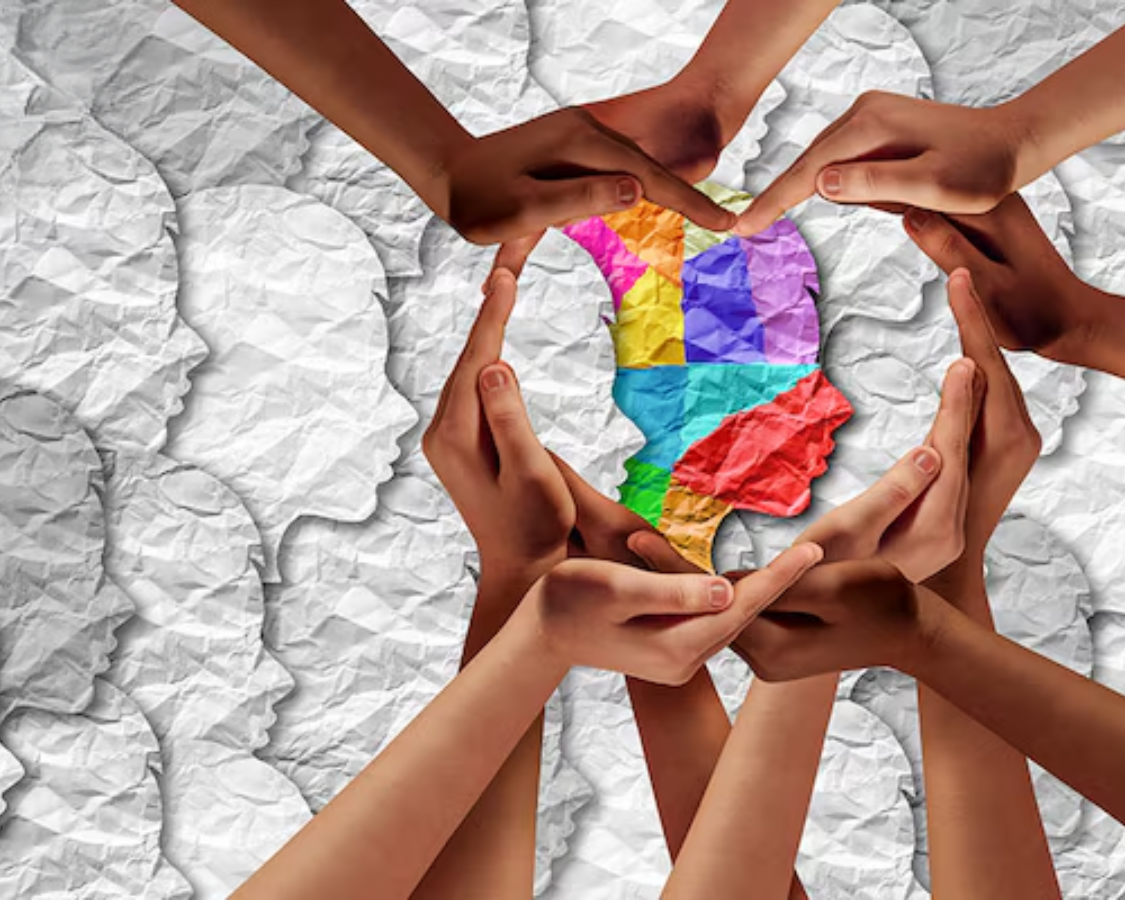
The Big Shift: From Waiting to Giving Now
India's Philanthropic Landscape Is Getting Younger
According to the Bain India Philanthropy Report 2024, professionals, a high-potential segment, have seen growing donations in recent years due to wealth creation in the service sector. They often start donating early, in their 30s and 40s, and their contributions are driven by personal and professional experiences, reflecting a deterministic approach.
This is new. And it is significant.
Private philanthropy in India grew 10% in FY 2023, reaching ₹1.2 lakh crore, faster than the 5% annual growth recorded between FY 2018 and 2023. This was driven primarily by family philanthropy growing at 15% and retail giving growing at 12%.
Retail giving, that is, donations from ordinary individuals like you and me, is one of the fastest-growing segments. This is not a movement led only by billionaires. It is a movement that every working professional, every young parent, every first-time donor is quietly joining.
What Is Driving This Change?
Three things.
First, wealth has arrived earlier. The startup ecosystem, stock market exits, ESOPs, and IPOs have put significant money in the hands of people in their 30s and 40s. The shift has been fuelled by the startup boom, technology-led wealth creation, and a wave of IPOs and secondary exits, creating substantial wealth for founders much earlier in life.
Second, trust in technology. This generation grew up with UPI, Swiggy, and Amazon. They do not donate blind. They want to know where their money goes. And platforms built with that transparency in mind have made giving feel safe for the first time.
Third, a mindset shift. As Nikhil Kamath, co-founder of Zerodha, put it: "If you start in your 30s instead of your 70s, you have four extra decades to learn what actually works." That thinking, giving as a skill, not a gesture, is spreading fast.
Education: Still India's Favourite Cause
Where Is the Money Going?
When India's new philanthropists choose a cause, they most often choose education.
In 2024, education received the biggest number of donations from philanthropists, with eight of the top ten philanthropists directing their core funding towards it. In total, 123 philanthropists cumulatively donated ₹36.8 billion towards education in India.
This is not a coincidence. Educated people understand what education gave them. The IIT graduate, the first-generation MBA, the startup founder who grew up in a small town- they know exactly which classroom changed their life. And they want to give that to someone else.
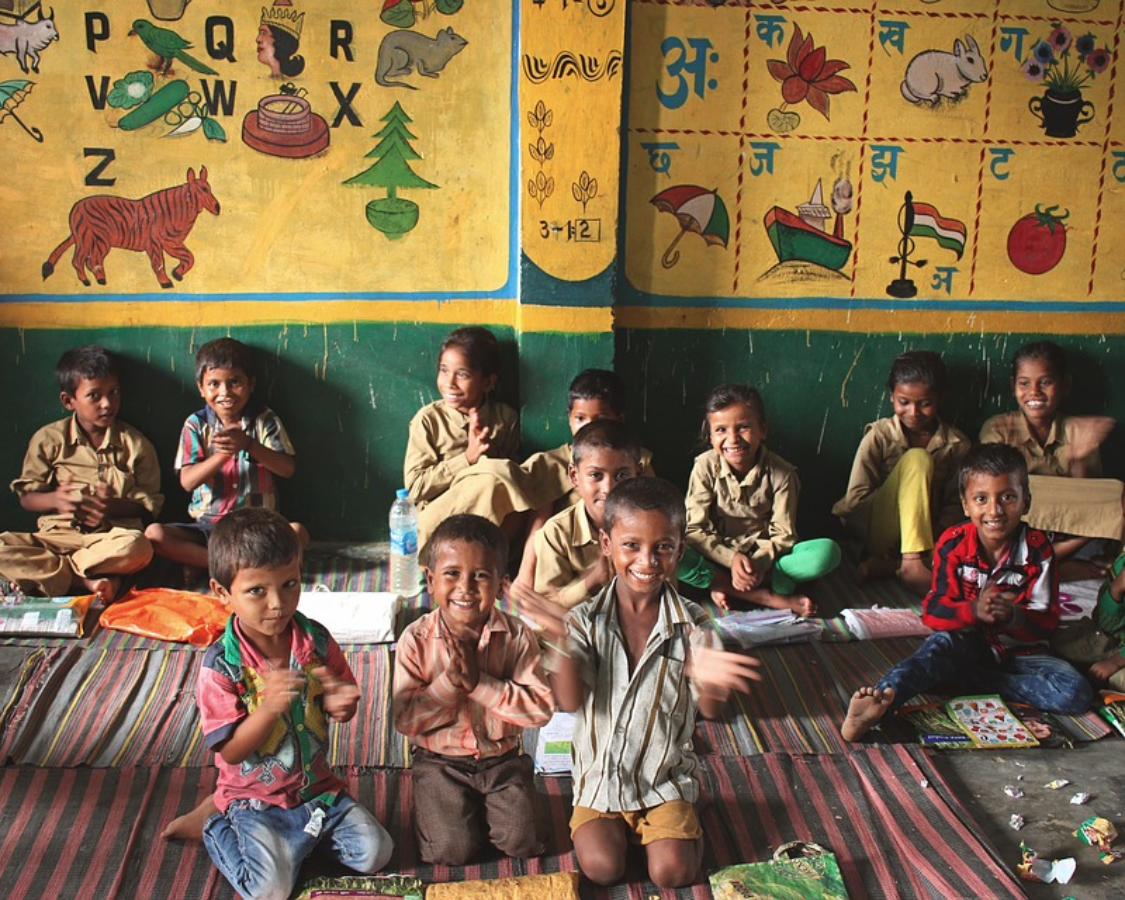
The Problem They Are Trying to Solve
India has done well at getting children into schools. But what those schools look like is a different story.
Many rural/ remote schools across Rajasthan, West Bengal, Bihar, and Uttar Pradesh still lack basic infrastructure: proper seating, clean drinking water, functional laboratories, and sports equipment. A child who sits on a cold floor for six hours a day is not learning at their best. A teacher who stands in a room with no blackboard cannot do their best work either.
This is the gap. And this is what the new generation of donors wants to close, not with vague promises, but with specific, trackable impact.
The New Rules of Giving: Outcomes, Not Optics
Entrepreneurial Philanthropy Is Here
Unlike previous generations, who built enduring institutions like schools, hospitals, and universities, today's philanthropists are increasingly focused on understanding why systems fail rather than simply building more institutions on top of broken ones.
They ask hard questions.
Where does the money go?
Who verifies the need?
What proof exists that the donation made a difference?
This is exactly the kind of donor that platforms likeTrueGiv were built for.
TrueGiv is an education donation platform that connects individual donors directly with verified remote & under-resourced schools across India.
Schools, called “Educators” on the platform, list their specific, ground-level needs. Every requirement is verified in person by the TrueGiv team before going live. When donations come in, TrueGiv procures the exact items needed and delivers them directly using e-commerce infrastructure.
Donors receive photographic proof of delivery. And for those who want to go further, a video call with the students and teachers they helped is available.
No cash transfers. No middlemen. No ambiguity.
The Binny Bansal Moment
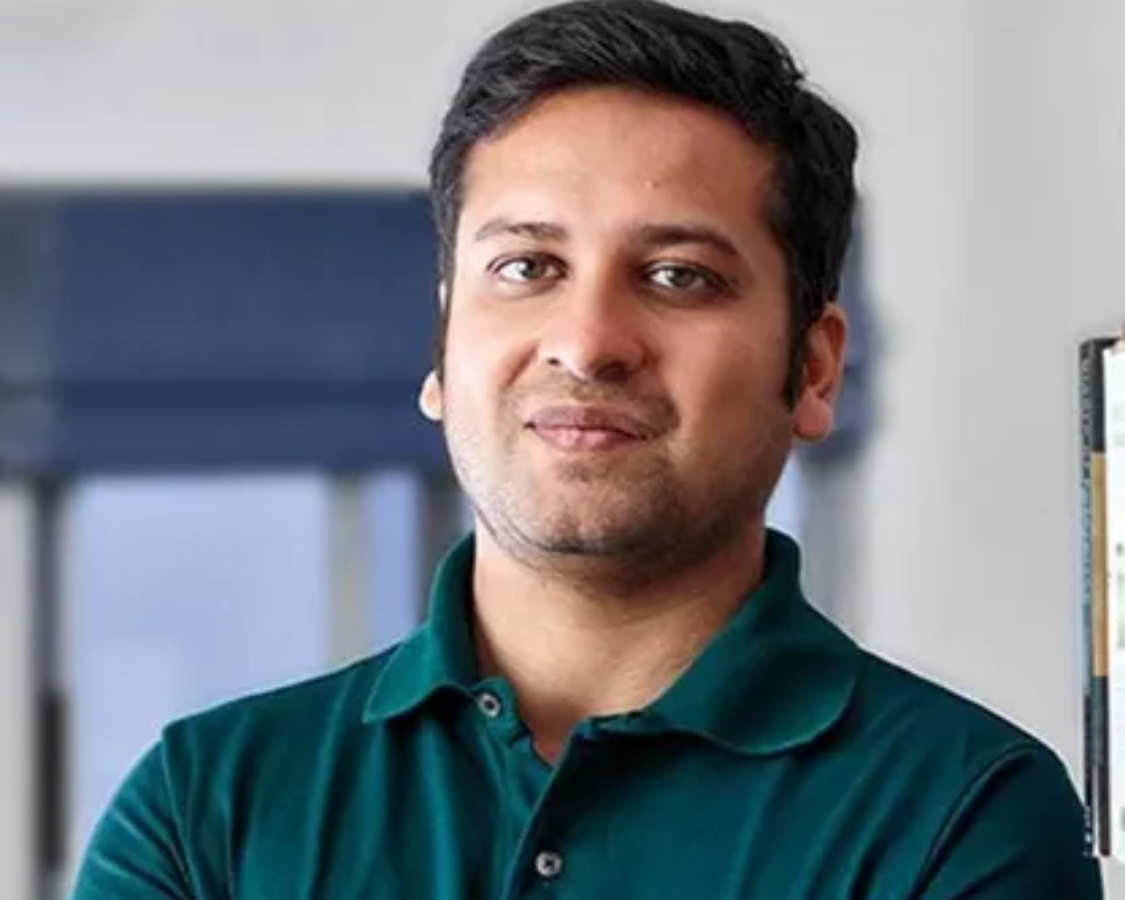
Flipkart co-founder Binny Bansal was the first philanthropist under 40 to appear on the EdelGive Hurun India Philanthropy List, debuting in 2020 with a donation of ₹5.3 crore primarily focused on education. He set a precedent. Since then, the doors have opened wide.
But here is the important thing: the shift is not just happening at the crore level. It is happening at ₹500. At ₹1,000. At ₹5,000.
Everyday giving, donations from ordinary individuals, already contributes around 30% of all philanthropic funding in India and holds vast potential to grow. Research suggests that if 300 million middle-class Indians gave just ₹100 per month, it would raise more than all CSR contributions combined.
You are not a bystander in this story. You are one of its most important characters.
How You Can Give Like the New Generation At Any Budget
The ₹500 Donor Is Not Small. They Are Foundational.
The new ethos of giving is not about the size of the cheque. It is about the clarity of impact.
OnTrueGiv, you can:
- Browse verified, live school projects across India: Rajasthan, West Bengal, Haryana, Maharashtra, and Delhi
- See exactly what each school needs: a desk, a water purifier, a cricket kit, a set of notebooks
- Donate any amount
- Receive photos when the items are delivered to the school
- Opt for a video call with the students and teachers your donation helped
Every school is geo-tagged and listed on the platform. Every need is verified on the ground before it goes live. No sign-in is needed for smaller donations. For contributions of ₹5,000 and above, donors can claim tax benefits under Section 80G of the Income Tax Act.
This is not charity in the old sense. It is giving with accountability built in.
What the Startup Generation Gets Right
The best startup founders are good at one thing: solving problems with systems. They do not tolerate inefficiency. They do not accept vague reporting. They want data, proof, and feedback loops.
That is exactly how TrueGiv is built. Not as an NGO with a donation box, but as a process, from verified need to procured goods to doorstep delivery to photographic confirmation. The same e-commerce backbone that delivers your groceries powers the delivery of a desk to a child in rural Rajasthan.
Nikhil Kamath's Young Indian Philanthropic Pledge (YIPP) encourages young entrepreneurs to commit a portion of their wealth to meaningful causes, reflecting a deep focus on building sustainable, long-term solutions for India's most pressing issues. The spirit of YIPP is not exclusive to billionaires. It is a mindset. And it is available to anyone who decides to give intentionally.
Education Is Where India's Future Lives
The Classroom-to-Nation Connection
India has a deadline. By 2047, when the nation turns 100, the goal is a Viksit Bharat, a fully developed India. The engineers, doctors, teachers, entrepreneurs, and innovators of that India are in school right now.
Many of them are in classrooms that are not ready for them.
A functioning classroom, with proper desks, clean water, a sports kit, and a science set, changes attendance rates, keeps children in school longer, and gives teachers the environment they need to do their best work.
TrueGiv's supported schools have seen a 40% increase in student admissions, a 17% rise in classroom attendance, and an average one-hour increase in daily teaching time after basic infrastructure was delivered.
These are not small numbers. They are the early data points of a nation being built.
The Ripple One Donation Creates
Think about what happens after a child gets a desk.
She sits comfortably. She concentrates longer. She comes back tomorrow. She passes her exams. She applies to college. She gets a job in a city. She sends money home. Her younger brother goes to school because the family can afford it now. Her village gets its first graduate.
One desk. One donation. One ripple that goes further than anyone can track.
TrueGiv does not ask you to imagine this. It shows you the first step: a photo of the desk arriving at the school. The rest is what happens when children are given what they deserve.

The India That 2047 Needs You to Build: Starting Now
India's giving culture is changing. It is getting younger, faster, more transparent, and more personal. The new generation of donors is not waiting for the right moment. They have understood something important: the right moment is now, while the problems are still solvable, while the children are still in school, while one desk can still change a life.
You do not need a foundation. You do not need a crore. You need five minutes and any amount of money you choose to donate.
Browse verified schools and donate today at truegiv.in
Because Shikshit Bharat is not a slogan. It is a plan. And it starts in a classroom that is waiting for you.
Frequently Asked Questions
1. What is the new trend in Indian philanthropy in 2025?
India is seeing a major generational shift in giving. Young entrepreneurs and startup founders in their 30s and 40s are now donating significant wealth much earlier in life, driven by tech-led wealth creation, IPO exits, and a desire for measurable impact. The EdelGive Hurun India Philanthropy List 2025 recorded ₹10,380 crore in total donations, an 85% rise over three years, with many donors now in their 40s rather than their 60s.
2. How can I donate to rural education in India online?
You can donate directly ontruegiv.in. Browse live, verified school projects, pick a specific need- a desk, a water purifier, notebooks, a sports kit- and donate any amount. You receive photographic proof of delivery once the items reach the school.
3. Is my donation to TrueGiv tax deductible?
Yes. Donations of ₹5,000 and above made through TrueGiv are eligible for tax deduction benefits under Section 80G of the Income Tax Act. TrueGiv provides all necessary documentation, including the necessary certificate, for your tax filing.
4. How does TrueGiv ensure my money reaches the right school?
TrueGiv verifies every school and every listed need on the ground before publishing any campaign. When donations are received, TrueGiv procures the exact items needed and delivers them directly to the school using e-commerce logistics infrastructure. Donors receive photos of the delivery. No cash is ever transferred to schools.
5. What is the minimum amount I can donate on TrueGiv?
You can donate any amount. Small donations are just as important. Many projects on TrueGiv are fully funded through multiple small contributions. Every rupee is tracked and used for the specific school project you support.
6. Why is education the most popular cause for Indian donors?
Education consistently tops the list of philanthropic causes in India. In 2024, eight of India's top ten philanthropists directed their core funding towards education. For many donors, especially first-generation wealth creators, education was the single biggest factor in their own success, making it the cause they feel most personally connected to.
7. Can I find out what happens after my donation on TrueGiv?
Yes. After your donation is processed and the items are delivered, TrueGiv sends you photographic proof. You also have the option to schedule a video call with the students and teachers at the school you supported, so you can see, first-hand, the difference your contribution made.
TrueGiv connects individual donors with verified schools across India. Every rupee is tracked. Every delivery is photographed. Every child is counted. Start attruegiv.in
Citation
- EdelGive Hurun India Philanthropy List 2025
- Bain & Company- India Philanthropy Report 2024
- Bain-Dasra India Philanthropy Report 2025
- Alliance Magazine- India's Most Generous Philanthropists 2024
- Harper's Bazaar India- India's Leading Philanthropists 2025
- TIME100 Philanthropy- Nikhil Kamath Profile
- NewsBeep / Economic Times- Young Turks Philanthropy Feature
- Outlook Business- Young Altruists Feature

